


Carnival
An extraordinary event
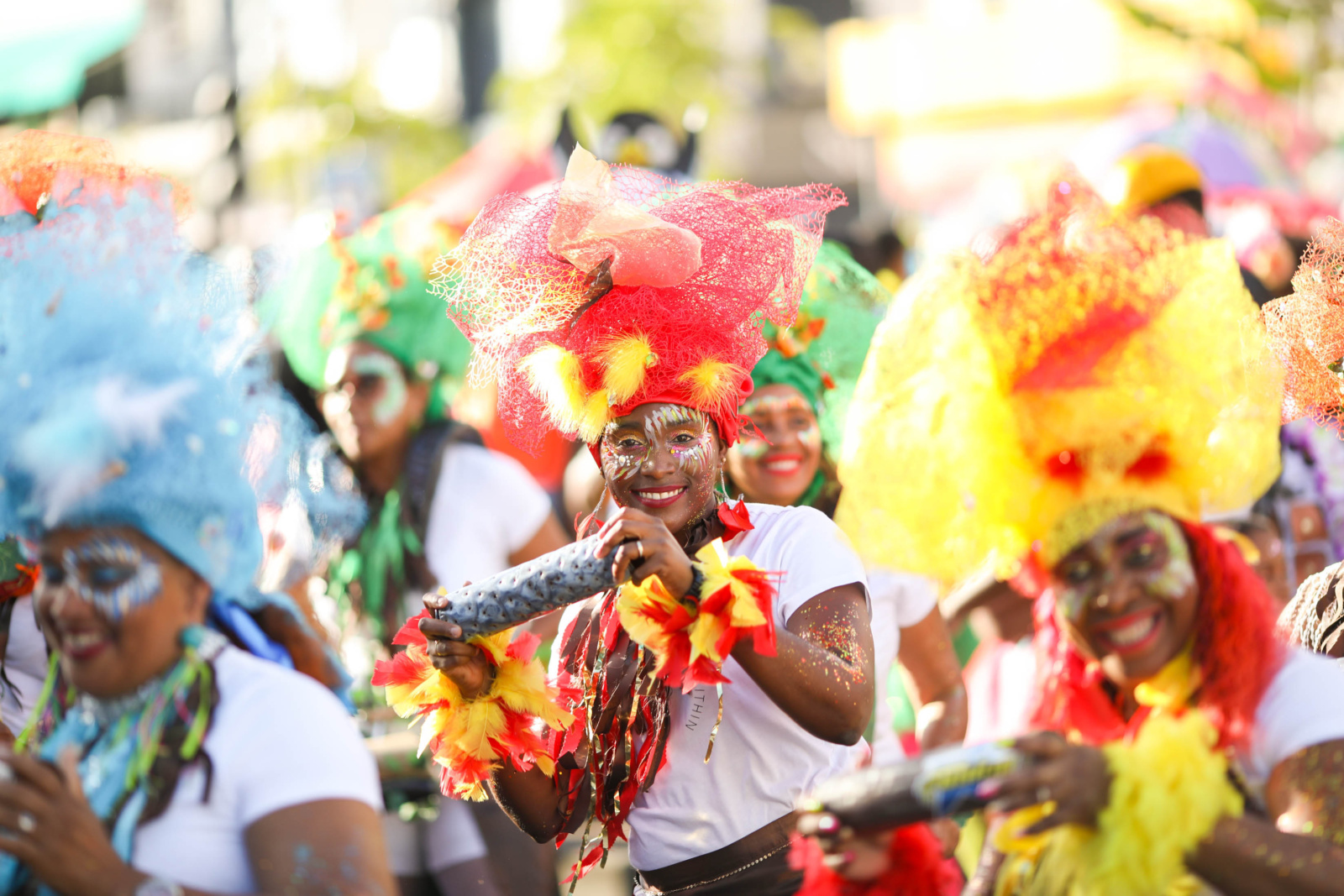
The Martinique Carnival is much more than just a festival: it is a total cultural phenomenon, an explosion of colours, music and emotions that takes over the whole island. Every year, it brings together thousands of participants and spectators – locals and visitors alike – in an unrivalled atmosphere of festive, grassroots celebration. Here, the carnival isn’t just something to watch: it’s something to experience, to dance to and to sing along to.
Deep roots
The origins of the Martinique Carnival date back to the colonial period. Introduced by European colonists as early as the 17th century, it gradually took on African influences brought by the slaves, who infused it with their rhythms, dances and creativity.
This fusion gave rise to a unique carnival, where every costume, every song and every movement embodies the memory of a people and the energy of a culture forged from diverse influences. Over the centuries, it has become a space for freedom, expression and collective identity.
The distinctive features of the Martinique Carnival
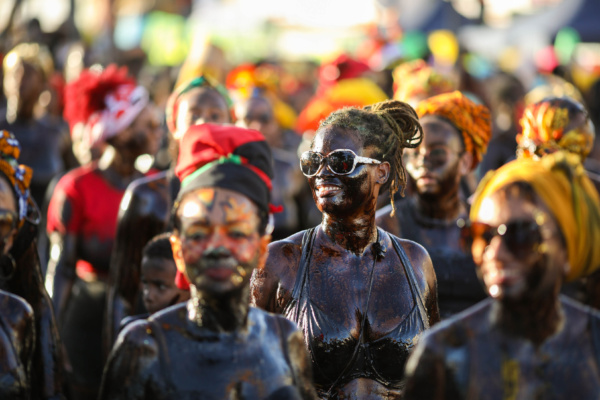
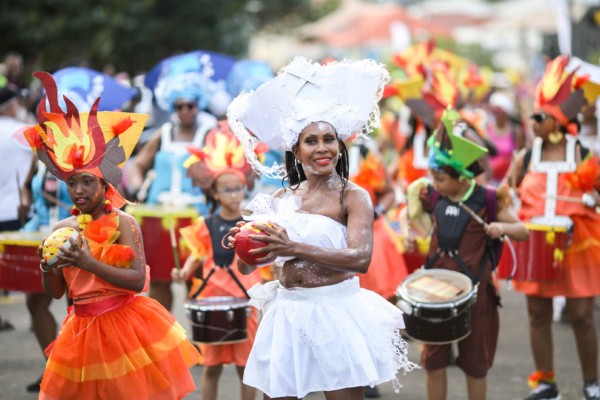
What sets the Martinique Carnival apart is, above all, its down-to-earth and participatory nature. Unlike other carnivals, which are spectacular but distant, this one invites everyone to take to the streets, dress up, join the walking groups and let the rhythm of the ‘vidé’ guide their steps.
The costumes, which are often handmade, demonstrate remarkable creativity and attention to detail.
Each group tries to outdo the others in originality to bring a theme, a character or a social satire to life.
Traditions day by day
The Martinique Carnival follows a ritualised schedule, in which each day has its own colour, traditions and iconic characters.
Dimanche Gras kicks off the festivities with a riot of colour befitting the occasion. Large groups of revellers parade through the streets, floats fill the boulevards, and the celebrations continue in full swing until the early hours of the morning.
Lundi Gras is the day for burlesque weddings. Men and women swap clothes in a cheerful parody of a wedding: the men dress up as flamboyant brides, whilst the women don men’s suits and accessories. It’s a festive and quirky tradition that brings laughter and good cheer.
Mardi Gras is the devil’s day. The streets are bathed in blood-red: the ‘diablesses’ and ‘red devils’ swarm through the towns, horns and pitchforks brandished, dressed in red and black. It is one of the most spectacular and most photographed days of the Carnival.
Ash Wednesday marks the end of Carnival in an atmosphere that is both festive and melancholic. King Vaval, the carnival’s iconic figurehead, is burnt amidst the tears and cries of the crowd dressed in black and white. This moment, both theatrical and moving, marks the end of the Carnival until the following year and the beginning of Lent.
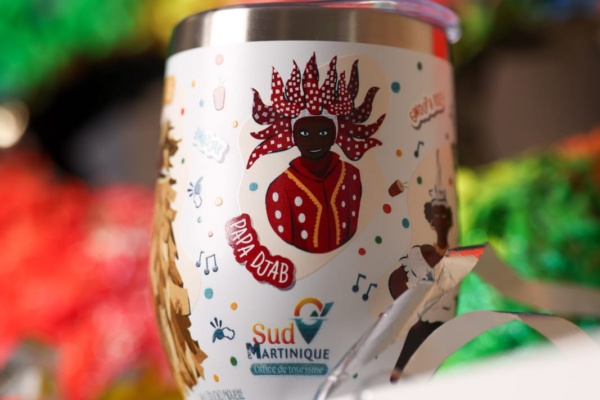
Carnival is making its way to the South too
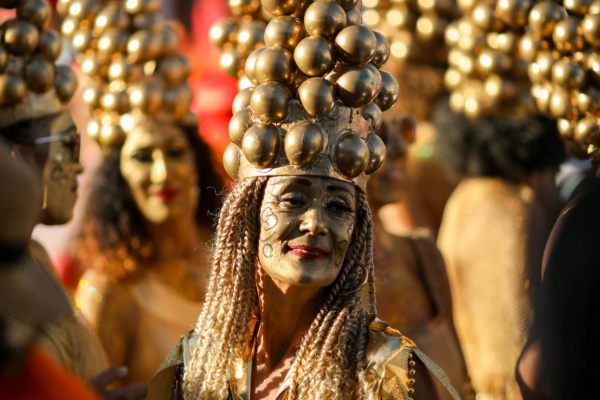
Whilst the carnival is in full swing in Fort-de-France, the island’s capital and the epicentre of the major parades, the south of Martinique also celebrates the event in its own way with the Parade du Sud. Held on Lundi Gras alongside the festivities in the centre, it takes place every year in a different town in the southern region for a day of colourful, community-based celebrations.
Parades on foot, decorated floats and musicians fill the streets of the chosen town in a warm and friendly atmosphere, offering a colourful spectacle rooted in local traditions. The Parade du Sud is the perfect opportunity for visitors to experience the Martinican carnival up close, in an authentic atmosphere, far from the large crowds of the capital. A moment of togetherness and shared joy that’s not to be missed!